A new option enters the counter conversation
PayPay began offering its barcode-based smartphone payment service in Japan on October 5, 2018. For a merchant, the immediate question is not whether the app is new, but whether it helps a customer complete a purchase the shop can account for.
It is useful to separate interest in a launch from confidence in daily operations. A payment service has to be understandable when the store is busy, when the amount is wrong, and when a customer returns with a question.
The customer needs a recognizable action
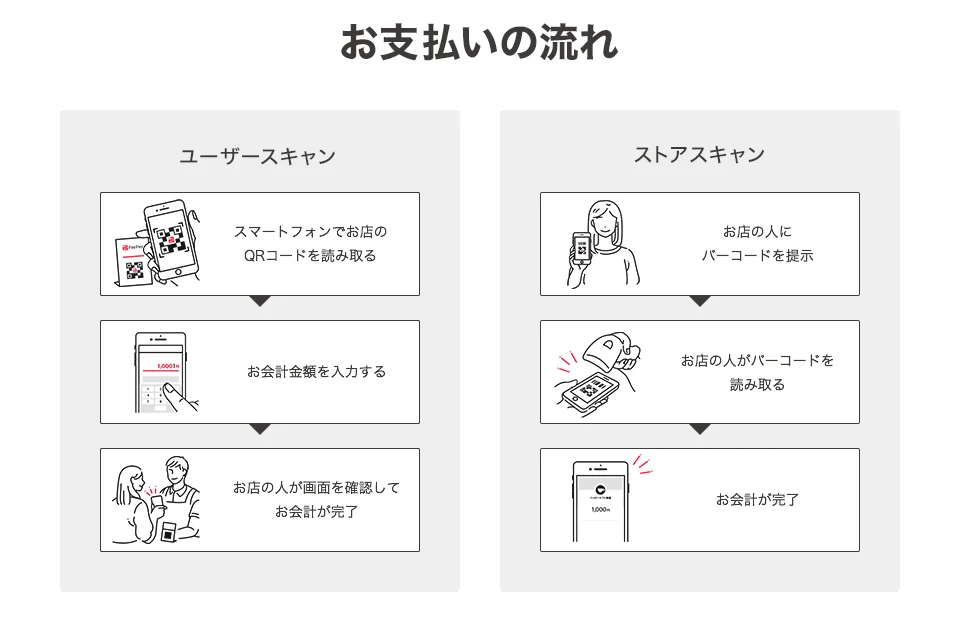
A code payment changes the physical interaction at the counter. Staff and customers need to understand who scans what, where the amount is entered in the supported setup, and how the payment is confirmed.
Do not let a screen shown by the customer become the only business record. Follow the service’s merchant confirmation process and keep the transaction linked to the sale. An attractive app experience still needs a reliable verification step.
Train for the correction, not only the first sale
A demonstration usually covers the smooth purchase. Real staff also need to know what to do when a customer enters the wrong amount, a connection fails, or the buyer is unsure whether payment finished.
Use the supported cancellation and refund process, and make it easy to locate the transaction. A short staff guide with an agreed escalation contact can matter more than a promotional display beside the till.
 2018.10.05
Promotions and lasting value are different questions
An introductory incentive can attract attention, but a merchant should also ask why a customer would return to the method after that incentive changes. Convenience, recognition, and availability may matter alongside rewards.
Review the commercial agreement and settlement process without assuming that launch conditions last forever. Track the actual work required to handle each payment, not just how many customers mention the service.
Separate curiosity from a working customer experience
A new payment service can attract attention before every business has a clear reason to introduce it. Picture a regular customer asking whether they can use it for an online order. The useful answer requires knowing whether your own sales channel is supported, not simply recognizing the service name.
Follow the customer journey and prepare a short explanation for staff. Where does the customer begin, what confirms the payment, and where can a refund be checked? Reviewing those questions lets a merchant evaluate a new service without assuming that launch publicity already solves integration and customer support.
What might determine the next stage
If customers can use the app in ordinary places and merchants can operate it without extra confusion, a new payment method has a route toward becoming habitual. That is a possibility to evaluate, not a guarantee of future market share.
For now, a sensible merchant response is to test the counter journey, learn from real questions, and keep payment records clear. The launch matters most when it translates into a purchase customers and staff both understand.
A new payment brand becomes useful when customers recognize it and staff can verify and reconcile its transactions.